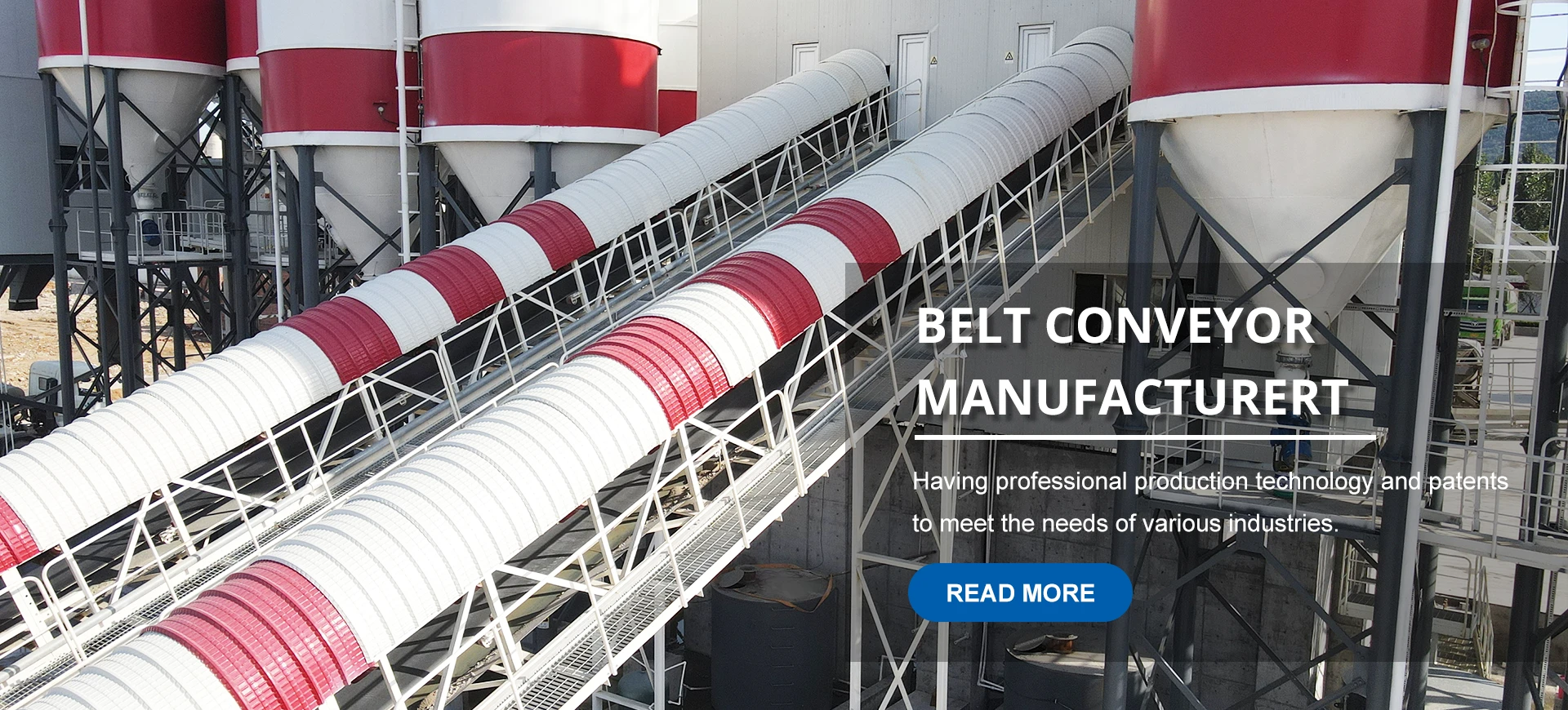
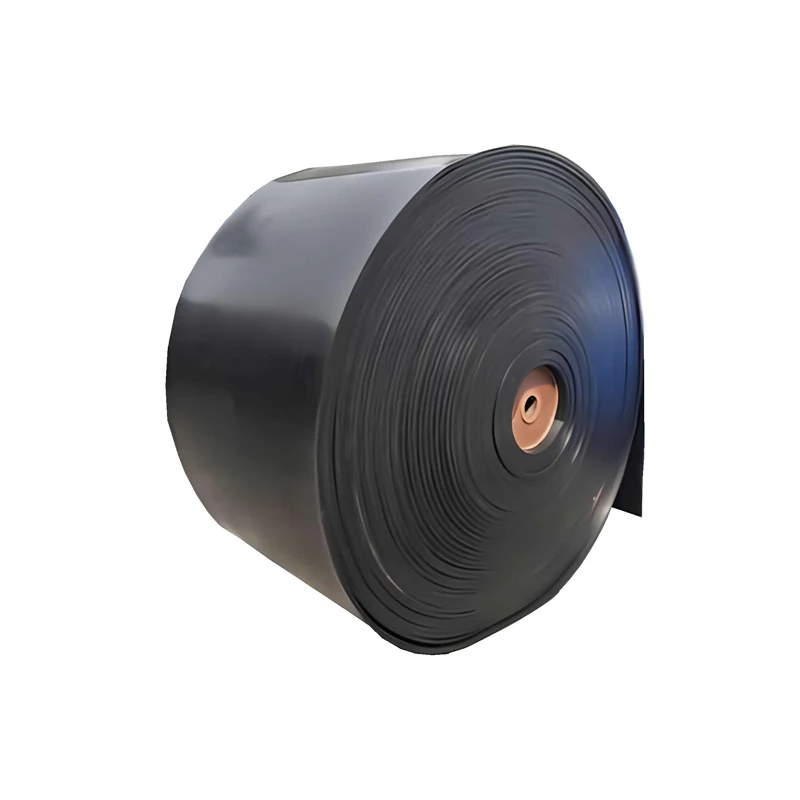
Introduction to Industrial Conveyor Systems Conveyor belts are the backbone of material handling in countless industrial sectors, facilitating the efficient and continuous movement of bulk materials and discrete items across diverse environments. From raw material extraction to final product distribution, the reliability and performance of these systems are paramount to operational efficiency and cost-effectiveness. Understanding the distinct types of conveyor belt in industry is crucial for selecting the optimal solution that aligns with specific operational demands, material characteristics, and environmental conditions. This guide delves into the technical intricacies, application diversity, and strategic considerations for deploying advanced conveyor belt technologies. The continuous evolution of industrial processes necessitates conveyor systems that offer enhanced durability, specialized resistance, and improved energy efficiency. Our focus herein is to provide a comprehensive overview for B2B decision-makers and engineers, ensuring a well-informed approach to material handling infrastructure. Manufacturing Process Flow of Industrial Conveyor Belts The production of high-performance industrial conveyor belts is a sophisticated process involving precision engineering and material science. It ensures the resulting product meets stringent operational demands for various types of conveyor belt in industry . Key steps include: Material Preparation: This initial stage involves formulating specific rubber compounds tailored for cover layers and insulation, along with preparing carcass materials. Typical carcass materials include synthetic fabrics like Nylon (PA), Polyester (EP), or steel cords for high-strength applications. Rubber compounds are precisely mixed with additives to achieve desired properties such as abrasion resistance, oil resistance, heat resistance, or flame retardancy. Calendering: The prepared rubber compounds are fed into high-precision calenders, where they are pressed into thin, uniform sheets. These sheets form the cover layers and the insulating layers that encapsulate the fabric plies or steel cords. Ply Building / Cord Lay-up: For fabric plied belts, multiple layers of treated fabric (e.g., EP fabric) are precisely stacked and bonded with the rubber insulating layers. For steel cord belts, high-tensile steel cords are arranged in a specific pattern, ensuring uniform tension and alignment, and then embedded within the rubber matrix. This forms the belt's carcass, the primary load-bearing element. Forming and Assembly: Depending on the specific requirements, features like skirt edges (for specific products like the High Strength Skirt Edge Conveyor Belt), cleat patterns, or sidewalls are integrated during this stage. The entire structure is carefully assembled before vulcanization. Vulcanization: This critical process involves curing the assembled belt under high heat and pressure in a vulcanizing press. Vulcanization chemically cross-links the rubber polymers, transforming the material into a highly elastic and durable thermoset elastomer, enhancing its mechanical strength, abrasion resistance, and overall service life. Finishing and Quality Control: Post-vulcanization, belts undergo trimming, edge finishing, and meticulous quality inspections. These tests include tensile strength (e.g., ISO 283), adhesion strength (e.g., DIN 22102), abrasion resistance, and impact resistance. Our products consistently meet or exceed international standards like ISO, DIN, AS, and JIS, ensuring superior performance across target industries such as petrochemical, metallurgy, mining, power generation, and water supply & drainage. The advantages in typical application scenarios include significant energy saving due to optimized rolling resistance and exceptional corrosion resistance against harsh industrial chemicals. Industry Trends in Conveyor Belt Technology The conveyor belt industry is experiencing transformative shifts driven by demands for increased efficiency, reduced operational costs, and enhanced environmental responsibility. These trends significantly impact the design and deployment of various types of conveyor belt in industry : Digitalization and IoT Integration: The advent of Industry 4.0 has led to smart conveyor systems equipped with sensors for real-time monitoring of belt tension, temperature, wear, and alignment. This data enables predictive maintenance, minimizing unplanned downtime and extending service life. Enhanced Energy Efficiency: Manufacturers are focusing on reducing rolling resistance through advanced carcass designs and cover rubber compounds. This directly translates into lower power consumption for conveyor systems, a critical factor for large-scale operations. Advanced Material Science: Innovation in rubber formulations and synthetic fabrics produces belts with superior resistance to abrasion, cuts, impacts, heat, oil, and chemicals. This allows for specialized types of conveyor belt in industry to thrive in previously challenging environments. Automation and Robotics: Integration with automated loading/unloading systems and robotic inspection enhances safety, speed, and precision in material handling operations. Sustainability and Circular Economy: Growing emphasis on environmental stewardship drives the development of recyclable belt materials and more durable products that reduce waste and resource consumption over their lifecycle. These trends collectively push the boundaries of what is achievable with conveyor technology, offering robust, intelligent, and sustainable solutions for modern industrial demands. Technical Specifications and Types of Conveyor Belt in Industry The selection of appropriate conveyor belts hinges on a thorough understanding of their technical specifications and the different types available. Industrial conveyor belts are broadly categorized by their carcass construction, cover material, and specialized features tailored for specific applications. Recognizing the diverse types of conveyor belt in industry is fundamental for optimizing material transport systems. Core Classifications of Industrial Conveyor Belts: Fabric Ply Belts: Utilize multiple layers (plies) of high-strength synthetic fabrics like Nylon (PA) and Polyester (EP) as the tension-bearing element. They are versatile, cost-effective, and suitable for a wide range of applications. EP Conveyor Belts: Polyester warp and polyamide weft, offering low elongation and excellent troughability. NN Conveyor Belts: Polyamide warp and weft, known for high strength and impact resistance. Steel Cord Belts: Employ high-tensile steel cords embedded in rubber for maximum strength. Ideal for long-distance, high-lift, and heavy-duty applications where fabric belts would be insufficient. Specialty Belts: Designed for unique challenges, these include: Chevron and Cleated Belts: For inclined conveying to prevent material rollback. Sidewall Belts: To prevent spillage on steep angles and contain materials. Pipe Conveyor Belts: Enclose material completely, reducing spillage and dust. Heat Resistant Belts: For hot materials like clinker, ash, or foundry sand. Oil Resistant Belts: For materials containing oils or chemicals. Flame Retardant Belts: Critical for safety in mining and underground operations. Food Grade Belts: Compliant with FDA/USDA standards for hygienic food processing. Product Specification: High Strength Skirt Edge Conveyor Belt Our High Strength Skirt Edge Conveyor Belt represents a specialized solution designed for applications requiring enhanced material containment and improved load capacity on flat or moderately inclined conveyors. It is particularly effective in environments where spillage is a concern, distinguishing it among other different types of conveyor belts . High Strength Skirt Edge Conveyor Belt - Typical Specifications Parameter Value/Description Carcass Material EP (Polyester-Nylon) Fabric / Steel Cord Tensile Strength (kN/m) 200-4000 (EP), 630-6300 (Steel Cord) Belt Width (mm) 500-2400 Cover Rubber Thickness (mm) Top: 3-30, Bottom: 1.5-15 Wear Resistance (mm³) ≤ 90 (High Abrasion Grade DIN W) Temperature Range (°C) -30 to +200 (depending on rubber grade) Edge Type Molded Skirt Edge (Integrated during vulcanization) Standard Compliance ISO, DIN, AS, JIS Comparison of Different Types of Conveyor Belts To illustrate the functional diversity, the table below compares common different types of conveyor belts based on their primary characteristics and typical applications. Comparison of Key Industrial Conveyor Belt Types Belt Type Primary Carcass Typical Tensile Strength Key Advantage Ideal Application EP Fabric Ply Polyester/Nylon 200-2500 N/mm Low elongation, good troughing General bulk material, medium distances Steel Cord Steel Cords 630-6300 N/mm Highest strength, longest distances Heavy-duty mining, ports, long haul Chevron / Cleated Fabric Ply 200-1000 N/mm Material retention on inclines Aggregate, sand, grain, steep inclines Heat Resistant Fabric Ply / Steel Cord Dependent on carcass Withstands high material temperatures Cement clinker, steel, foundry operations Oil Resistant Fabric Ply 200-1600 N/mm Resistant to mineral, vegetable, animal oils Grain, wood, chemicals, waste treatment Application Scenarios Across Industries The versatility of modern conveyor belt technology means that specific types of conveyor belt in industry are engineered to excel in diverse and challenging environments. Understanding these application scenarios is key to informed deployment. Mining and Quarrying Operations: In the mining sector, conveyor belts are indispensable for transporting large volumes of extracted minerals, coal, and aggregates. The demanding conditions—abrasive materials, heavy impacts, and sometimes extreme temperatures—necessitate specialized designs. Types of conveyor belts used in mining commonly include heavy-duty steel cord belts for long-distance and high-capacity main haulage, and impact-resistant fabric ply belts for crushing and screening plants. Flame-retardant and anti-static (FRAS) belts are critical for underground coal mines, adhering to strict safety regulations (e.g., MSHA in the US, ATEX in Europe). Our robust designs withstand high tensile loads and severe abrasion, ensuring continuous operation and reduced downtime in these harsh environments. Cement and Construction Materials: Cement plants, quarries, and ready-mix concrete facilities rely on conveyor belts for handling limestone, clay, clinker, and finished cement. Here, resistance to abrasion, heat (for clinker), and general durability are paramount. Heat-resistant belts are designed to transport materials up to 200°C, while strong fabric ply belts manage the abrasive nature of raw and processed aggregates. The ability to handle high throughputs with minimal spillage is a critical advantage. Port and Bulk Material Handling: Port terminals and logistics hubs utilize expansive conveyor systems for loading and unloading bulk commodities like grain, iron ore, coal, and fertilizers from ships to storage or vice versa. These applications demand belts with high tensile strength, excellent rip and impact resistance, and weather durability. Steel cord belts are often preferred for their capacity to span long distances and handle massive tonnages, ensuring rapid turnaround times for vessels. Chemical and Petrochemical Industries: Handling corrosive chemicals, oils, and other reactive substances requires specialized conveyor belts with specific resistance properties. Oil-resistant and chemical-resistant cover compounds (e.g., NBR, EPDM) prevent degradation of the belt surface and carcass, maintaining operational integrity and extending service life in environments that would rapidly destroy standard rubber belts. Safety and containment are key, often employing specialized edge designs or fully enclosed pipe conveyors. Power Generation Plants: Coal-fired power plants use conveyor belts to transport coal from receiving points to bunkers and boilers. These applications require high abrasion resistance, moderate heat resistance, and often flame retardancy to meet stringent safety standards. The scale of operation in power plants demands reliable, high-capacity systems that minimize operational interruptions. Technical Advantages of Advanced Conveyor Belts Investing in high-quality, technically advanced conveyor belts delivers significant operational and economic benefits, distinguishing premium solutions from standard offerings. These advantages are crucial for maximizing the return on investment for any of the various types of conveyor belt in industry . Superior Tensile Strength: Especially with steel cord and high-strength fabric ply belts, exceptional tensile strength allows for longer conveyor lengths, higher lifts, and greater throughputs. This reduces the number of transfer points and associated equipment, simplifying system design and maintenance. Enhanced Abrasion and Cut Resistance: Utilizing specialized rubber compounds (e.g., DIN W, DIN Y grades), our belts offer significantly prolonged service life when handling highly abrasive materials such as ore, aggregates, and coal. This reduces replacement frequency and maintenance costs. High Impact Resistance: Engineered carcass designs and resilient cover rubber provide excellent resistance to localized impacts from heavy, sharp, or falling materials, minimizing damage and preventing premature belt failure. Specialized Resistances: Heat Resistance: Withstands continuous material temperatures up to 200°C and transient peaks, critical for hot clinker, cement, and foundry sands. Oil & Chemical Resistance: Formulations resistant to various oils (mineral, vegetable, animal) and common industrial chemicals, preserving belt integrity in challenging environments. Flame Retardancy & Anti-Static (FRAS): Essential safety features for combustible environments, particularly in mining, conforming to international safety standards. Optimized Energy Efficiency: Advanced belt constructions with low rolling resistance rubber compounds and optimized flexibility reduce the power required to operate the conveyor system. This translates to substantial energy savings and lower operational expenditures over the belt's lifetime. For instance, efficiency improvements can lead to 10-15% reduction in energy consumption for long-distance conveyors. Reduced Downtime and Maintenance: The inherent durability and resistance of high-quality belts lead to fewer failures, less frequent repairs, and consequently, significantly reduced operational downtime. This ensures consistent material flow and maximized productivity. Vendor Comparison and Customized Solutions When evaluating suppliers for different types of conveyor belts , B2B decision-makers must look beyond initial cost to assess the total cost of ownership (TCO), which includes durability, energy efficiency, maintenance, and the level of technical support provided. A comprehensive vendor comparison focuses on several critical factors, emphasizing the ability to deliver tailored solutions. Key Criteria for Vendor Evaluation: Research & Development Capabilities: A leading vendor invests in R&D to innovate new materials and designs, offering cutting-edge solutions for evolving industrial challenges. This ensures access to the most efficient and durable types of conveyor belt in industry . Manufacturing Quality and Standards: Adherence to international quality standards (e.g., ISO 9001) and specialized industry standards (e.g., DIN, AS, JIS) is paramount. This guarantees consistent product quality, performance, and safety. Product Portfolio and Specialization: Assess the breadth of their product offerings and their ability to provide specialized belts (e.g., High Strength Skirt Edge, heat-resistant, oil-resistant) that precisely match unique application requirements. Customization Capabilities: The ability to custom-design belts for specific dimensions, material properties, and operational parameters is a significant differentiator. Technical Support and After-Sales Service: Robust technical support, including installation guidance, maintenance training, and rapid spare parts supply, significantly impacts operational continuity and belt longevity. Global Reach and Experience: Vendors with extensive global experience understand diverse regional regulations and operational challenges, providing valuable insights and reliable supply chains. The Value of Customized Conveyor Belt Solutions: Standard conveyor belts may suffice for general applications, but specific operational demands often benefit immensely from tailored solutions. Customization ensures optimal performance, extends service life, and reduces overall operational costs. Our expertise in engineering bespoke conveyor belts includes: Material Compound Selection: Developing unique rubber compounds for extreme heat, aggressive chemicals, or superior abrasion resistance beyond standard grades. Carcass Design Optimization: Adjusting ply configuration, fabric types, or steel cord density and diameter to meet precise tensile strength, impact resistance, and flexibility requirements for different types of conveyor belt in industry . Special Features Integration: Customizing features like integrated skirt edges, cleat heights and patterns, sidewall dimensions, or specialized hole punching for specific material containment or conveying angles. Dimensional Precision: Producing belts in exact widths, lengths, and thicknesses to perfectly fit existing conveyor systems, minimizing installation complexities and maximizing compatibility. Environmental Adaptations: Designing belts for specific climate conditions, such as extreme cold flexibility or enhanced UV resistance for prolonged outdoor exposure. By working closely with clients, we engineer conveyor belt solutions that are perfectly aligned with their operational objectives, delivering unparalleled efficiency and reliability. Application Case Studies: Proven Performance Our commitment to delivering high-performance conveyor belt solutions is evidenced by successful deployments across a spectrum of challenging industrial environments. These case studies highlight the practical benefits of selecting the right types of conveyor belt in industry . Case Study 1: Large-Scale Iron Ore Mining Operation A major iron ore mine in Western Australia faced persistent issues with premature belt wear and frequent failures on its primary long-distance overland conveyor, handling highly abrasive and heavy ore. The existing belts had an average lifespan of 18 months, leading to significant replacement costs and productivity losses. Following a detailed site assessment, we recommended a custom-engineered Steel Cord Conveyor Belt with an upgraded cover rubber compound (DIN W grade, 25mm top cover) and enhanced rip protection features. Solution: High-tensile ST3150 steel cord belt, featuring proprietary highly abrasion-resistant cover compounds and integrated sensor technology for real-time monitoring. Results: The new belt demonstrated exceptional durability, extending the service life to over 48 months—a 167% improvement. This resulted in an estimated $2.5 million annual saving in maintenance and replacement costs, coupled with a 15% increase in operational uptime . Customer Feedback: "The improved lifespan of these belts has revolutionized our main haulage system. The reduction in maintenance interventions and unscheduled downtime has significantly boosted our overall operational efficiency and profitability. The peace of mind from knowing we have reliable systems in place is invaluable." Case Study 2: Chemical Processing Plant A petrochemical facility experienced rapid degradation of conveyor belts transporting caustic soda flakes and other corrosive chemicals. Standard rubber belts would embrittle and crack within six months, posing safety risks and causing frequent material spills. We provided a specialized solution among the different types of conveyor belts , specifically an EP Fabric Ply belt with a custom EPDM (Ethylene Propylene Diene Monomer) cover compound, known for its superior resistance to acids, alkalis, and ozone. Solution: EP300/3 chemical-resistant conveyor belt with specialized EPDM covers, molded edges to prevent contamination. Results: The EPDM belt demonstrated resilience, extending its operational life to over 3 years without significant degradation—a 500% improvement. Material spillage was virtually eliminated, enhancing workplace safety and reducing environmental impact. Service Case Detail: Our team conducted a detailed chemical compatibility analysis prior to recommendation, ensuring the precise blend of elastomer for the challenging corrosive environment. Regular on-site inspections were provided post-installation to monitor performance. Case Study 3: Coal Power Generation Facility A large coal-fired power plant sought to upgrade its coal handling system to improve energy efficiency and compliance with stricter environmental regulations. Their existing belts exhibited high rolling resistance and a propensity for dust generation. We supplied a series of EP Conveyor Belts optimized for low rolling resistance and equipped with superior sealing capabilities, tailored specifically for the types of conveyor belts used in mining and power industries. Solution: Low-rolling-resistance EP500/4 belts with optimized cover thickness and specialized skirt sealing systems. Results: The new belts contributed to a documented 8% reduction in power consumption for the conveyor system. Furthermore, the enhanced sealing minimized coal dust emissions by over 70% , significantly improving air quality within the facility and reducing compliance risks. Customer Feedback: "The energy savings are substantial, and the reduction in airborne dust is a huge win for both our operational costs and environmental responsibilities. These belts have proven to be a smart investment." Module: Authority, Trust, and Support Our commitment to Expertise, Experience, Authoritativeness, and Trustworthiness () underpins every aspect of our operations, ensuring that clients receive not only superior products but also exceptional service and reliable partnership. Authoritativeness and Certifications: Certifications: We operate under a stringent Quality Management System certified to ISO 9001:2015, ensuring consistent product quality and process efficiency. Our environmental practices adhere to ISO 14001:2015 standards. Specific products are certified to regional safety standards such as MSHA (USA), ATEX (EU), and various national standards (e.g., DIN 22102, AS 1332, JIS K 6322) relevant to types of conveyor belt in industry . Partner Clients: Trusted by leading companies across the energy, mining, bulk material handling, and processing sectors worldwide, our belts are integral to critical infrastructure projects. We have over 20 years of specialized experience in designing and manufacturing high-performance conveyor belts. Test Data & Analysis: All products undergo rigorous, independent laboratory testing and in-house quality control, with comprehensive test reports available upon request. Our test data consistently demonstrates superior tensile strength retention, abrasion loss, and adhesion values compared to industry benchmarks. Trustworthiness and Customer Support: Frequently Asked Questions (FAQ): Q: How do I select the correct conveyor belt for my application? A: Selection depends on material type, throughput, conveying distance, incline angle, environmental conditions (temperature, chemicals), and specific safety requirements. Our technical specialists provide tailored recommendations based on a detailed assessment of your operational parameters. Q: What is the typical lead time for custom conveyor belts? A: Standard specifications typically have a lead time of 4-6 weeks from order confirmation. Custom-engineered solutions may require 6-10 weeks, depending on complexity and material sourcing. Expedited production options are available for urgent requirements. Q: What is your warranty policy? A: We offer a comprehensive warranty ranging from 2 to 5 years against manufacturing defects, depending on the product type and application. Specific warranty terms are provided with each quotation and order confirmation. Q: Do you provide installation support and maintenance services? A: Yes, we offer expert technical guidance for installation and splicing, as well as maintenance recommendations. Our global service network can provide on-site technical support, belt inspections, and maintenance training programs to ensure optimal performance and longevity. Lead Time & Fulfillment: Our streamlined manufacturing processes and robust supply chain enable us to provide competitive lead times without compromising quality. We maintain strategic inventories of common raw materials and finished products, facilitating prompt fulfillment for standard orders. For large-scale projects and custom orders, dedicated project managers ensure transparent communication and adherence to agreed-upon schedules. Warranty Commitments: Our warranty reflects our confidence in the durability and performance of our conveyor belts. It covers manufacturing defects and material integrity under normal operating conditions. This commitment provides peace of mind and safeguards your investment. Customer Support: Our dedicated customer support team and technical specialists are available 24/7 to address inquiries, provide expert advice, and offer rapid response to technical challenges. We prioritize client satisfaction through proactive communication, comprehensive after-sales service, and efficient spare parts availability, ensuring minimal disruption to your operations. Conclusion The selection and deployment of the correct types of conveyor belt in industry are pivotal decisions that directly impact operational efficiency, safety, and profitability. As industrial landscapes continue to evolve, demanding greater resilience, higher throughputs, and enhanced environmental performance, the role of advanced conveyor belt technology becomes even more critical. By thoroughly understanding the manufacturing processes, leveraging cutting-edge material science, and applying detailed technical specifications to specific application scenarios, industries can optimize their material handling systems. Our commitment to expertise, proven experience, authoritative standards, and unwavering trustworthiness ensures that our partners receive not just products, but comprehensive solutions engineered for long-term success in the most demanding environments. References ISO 9001:2015 - Quality management systems — Requirements. International Organization for Standardization. DIN 22102 - Conveyor belts with textile plies for general use. Deutsches Institut für Normung e.V. Nordell, L. (2012). Conveyor belt technology: The essential guide . Conveyor Dynamics, Inc. Wheeled Loader & Excavator Handbook (2018). Conveyor Belt Selection for Mining Applications . Caterpillar Inc. AS 1332-2000 - Conveyor belts of textile construction for general use. Standards Australia.